
Animal Symbolism
Dolphin Symbolism: Spiritual Meaning, Totem & Dream Guide
Discover dolphin spiritual meaning—symbolism, totem traits, dream interpretations, and myths from Greek, Hawaiian, and Amazonian t…
 KnowMastery
The dragonfly is a universal symbol of transformation, adaptability, and self-realization. Because it begins life as an aquatic nymph and emerges as a shimmering, light-catching flier, the dragonfly represents the soul's journey from illusion to clarity, from limitation to freedom. Spiritually, seeing a dragonfly is often read as a sign that you are outgrowing an old identity and stepping into a lighter, truer version of yourself - a message that tends to arrive most often during seasons of grief, change, or quiet uncertainty.
There is something almost impossible about a dragonfly. It hovers as if it has forgotten the rules of gravity, then vanishes in a blink of iridescent light. If you've ever stood at the edge of a pond and watched one land on a reed, wings trembling like stained glass, you know the feeling - a small jolt of wonder, as if something ancient just looked back at you.
Many people report dragonfly encounters during the hardest, most transitional moments of their lives - after a loss, during a breakup, in the weeks following a loved one's death. That timing is no coincidence to the folklore surrounding this insect. Across centuries and continents, the dragonfly has been read as a messenger of change, a guardian of water spirits, and a quiet confirmation that you are exactly where you need to be.
At its core, dragonfly symbolism centers on three intertwined ideas: transformation, illusion-breaking, and lightness of being. The insect's life cycle - up to two years underwater as a nymph, followed by a brief, brilliant adult life in the air - mirrors the human experience of long, hidden struggle followed by sudden, visible flourishing.
Because the dragonfly nymph literally crawls out of the water, splits its old skin, and takes flight, it is one of nature's most literal metaphors for metamorphosis. Spiritually, this speaks to shedding an outdated identity - a job, a relationship, a belief system - that no longer serves who you are becoming. Much like the message behind grasshopper spiritual meaning, the dragonfly asks you to trust a leap even when the outcome is invisible.
In many New Age and Native traditions, the dragonfly's compound eyes - which can detect movement across nearly 360 degrees - symbolize clarity of vision and the ability to see through self-deception. To "see with dragonfly eyes" is to recognize that what once felt solid (fear, doubt, a false narrative about yourself) was only ever a surface reflection, easily shattered by light.
Adult dragonflies live for only a few weeks to a few months. This brevity is rarely read as tragic; instead, it's treated as an invitation to enjoy the light while you have it. The dragonfly encourages presence, spontaneity, and joy rather than heaviness and over-planning - a reminder that meaningful things don't need to last forever to matter.
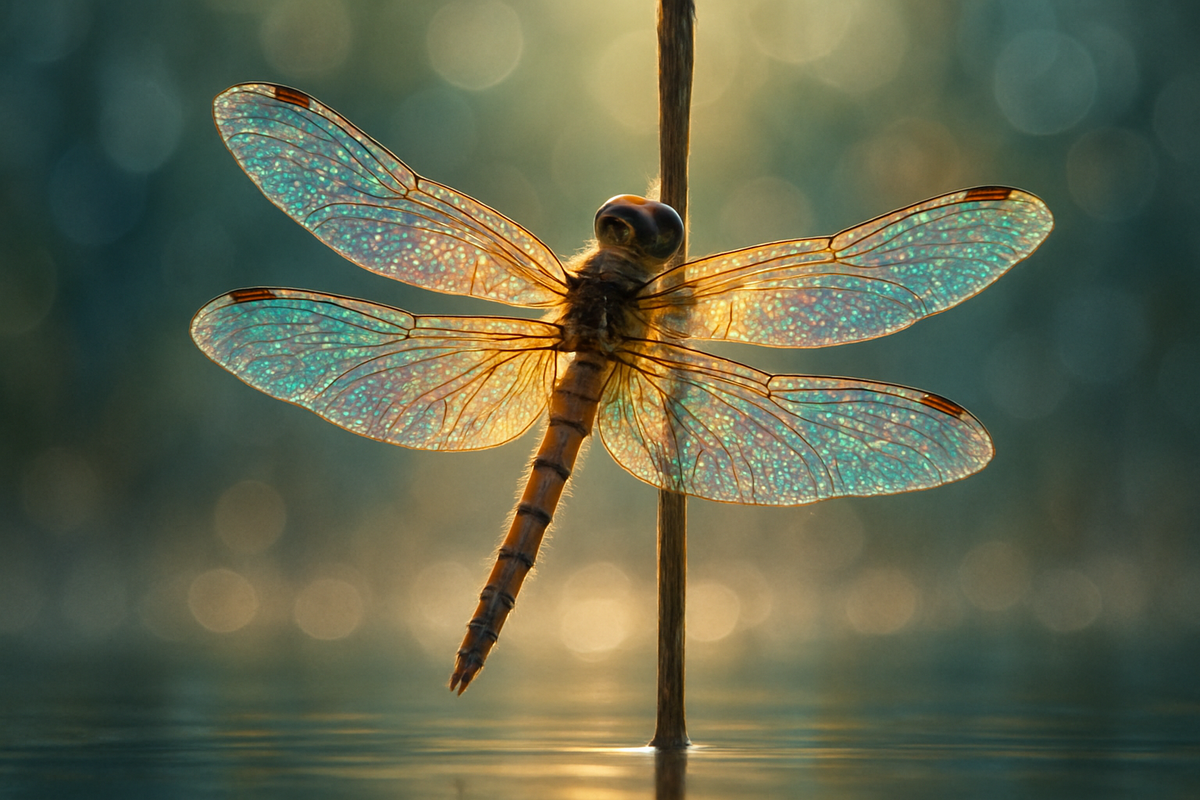
The dragonfly's meaning shifts fascinatingly depending on where in the world - and when in history - you look.
In Japan, the dragonfly (tombo) has long symbolized strength, courage, and victory. Samurai warriors decorated their helmets and sword guards with dragonfly motifs because the insect only moves forward, never backward - an emblem of resolve in battle. The historic name for Japan itself, Akitsushima, has been poetically translated as "Dragonfly Island," reflecting how deeply the creature is woven into national identity.
Among several Native American peoples, including the Zuni and Navajo, dragonflies appear in pottery, sand paintings, and jewelry as symbols of pure water, speed, and renewal after hardship. The Zuni in particular link dragonfly imagery to happiness and swiftness following times of drought or famine, treating its appearance as a sign that abundance is returning.
In Chinese folk tradition, dragonflies are associated with harmony, prosperity, and the fullness of summer, often appearing in painting and poetry alongside lotus flowers as a symbol of a balanced, well-lived life. Unlike the darker European view, Chinese folklore rarely treats the dragonfly as ominous, instead reading its darting flight as a sign of good fortune arriving quickly and unexpectedly.
European folk traditions were not always so flattering. In parts of Britain and Scandinavia, the dragonfly earned the nickname "Devil's darning needle," with legends warning that it would sew shut the mouths, eyes, or ears of misbehaving children, or curse liars while they slept. These darker tales likely arose from the dragonfly's swift, silent flight and its unsettling habit of appearing suddenly near water at dusk - a liminal, half-seen quality common to much of Europe's dusk-dwelling folklore.
Celtic and broader European folk belief also tied dragonflies to water spirits and fairy realms, viewing them as guides who could lead travelers to enchanted, unseen places near rivers and marshes - reflecting the insect's genuine biological dependence on freshwater habitats for its nymph stage.
Dragonflies come in an astonishing range of iridescent colors, and folk traditions often assign slightly different nuances to each hue.
| Color | Symbolic Meaning |
|---|---|
| Blue | Peace, communication, emotional depth |
| Red | Passion, vitality, life-force energy |
| Green | Growth, healing, connection to nature |
| Yellow/Gold | Optimism, mental clarity, joy |
| Black | Mystery, protection, the unknown |
| White | Purity, spiritual awakening, new beginnings |
Dreaming of a dragonfly generally echoes its waking symbolism but often points to something more urgent bubbling in the subconscious.
As with most symbolic dreamwork, the imagery matters less than the emotional tone that lingers after waking. A dragonfly that felt calming points toward acceptance, while one that felt startling may be flagging a change you're still resisting.
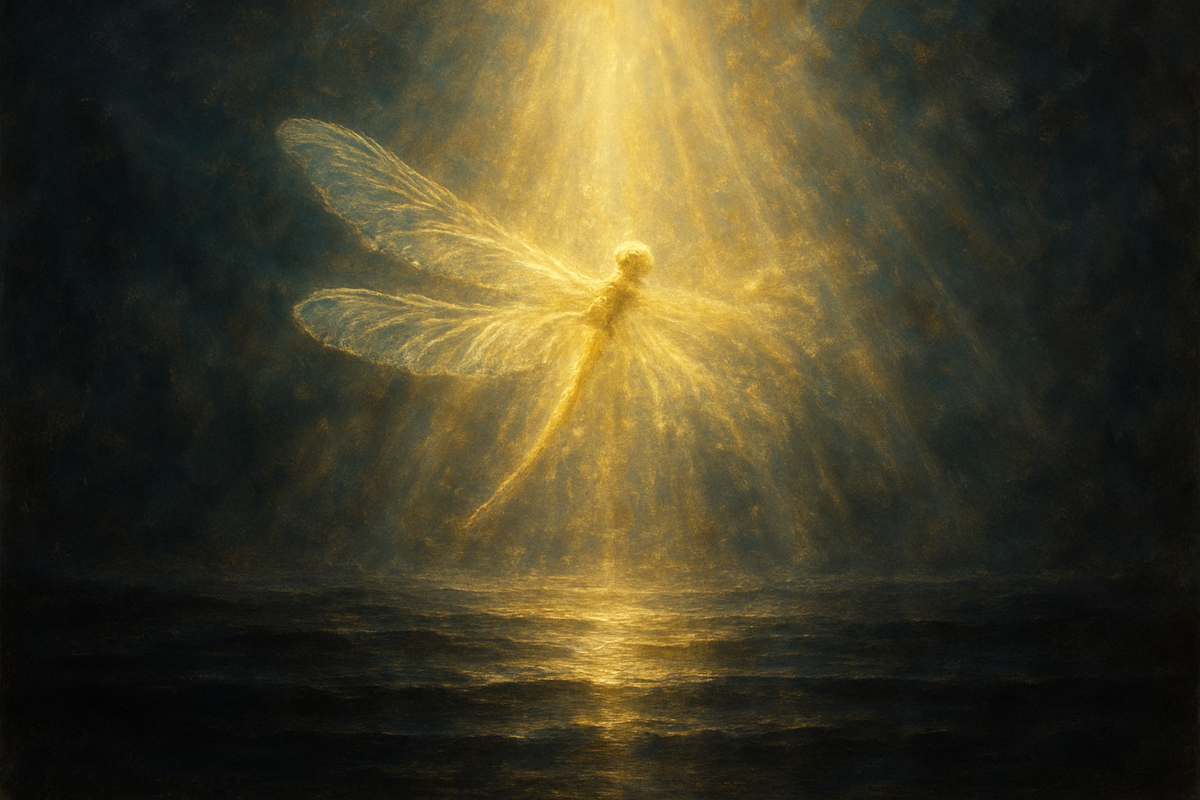
One of the most common reasons people search for dragonfly symbolism is grief. After a death, an unexpected dragonfly appearing at a funeral, on a windowsill, or during a quiet private moment is frequently interpreted as a visitation - a sign that the departed soul has transformed rather than ended, much like the nymph becomes the flier. This belief runs parallel to how many interpret repeated hummingbird or swan sightings as reassurance from beyond, offering comfort that connection continues in a different form.
Whether or not you take the symbolism literally, a dragonfly sighting is a useful nudge to pause and reflect. Consider the following practices:
The dragonfly shares symbolic territory with other small, uncanny creatures that arrive during moments of change - much like the quiet patience associated with the spider or the protective sting reserved for the scorpion. Together, these creatures remind us that meaning often hides in the smallest, most overlooked visitors.
A dragonfly visit is traditionally read as a sign of transformation, encouraging you to release an outdated part of your life and trust an unfamiliar new direction. Many people also interpret it as reassurance during grief, especially if the sighting follows the death of a loved one.
Yes, in most cultural traditions the dragonfly is considered a positive omen linked to courage, clarity, and renewal. Japanese samurai culture, for instance, viewed it as a symbol of victory and forward momentum rather than misfortune.
A blue dragonfly is often associated with peace, calm communication, and emotional depth. Its appearance may suggest that a difficult conversation or emotional resolution is approaching, or that you're being called to express your feelings more openly.
Because dragonflies undergo such a visible metamorphosis from water-bound nymph to airborne adult, they are widely used as a symbol of the soul's continuation after death. Their sudden, brief appearance near mourners feels, to many, like a gentle confirmation that the departed has simply changed form rather than disappeared.
Discover dolphin spiritual meaning—symbolism, totem traits, dream interpretations, and myths from Greek, Hawaiian, and Amazonian t…
Few animals are as underestimated as the hippopotamus. It looks calm—almost sluggish—lounging in rivers beneath the African sun. B…
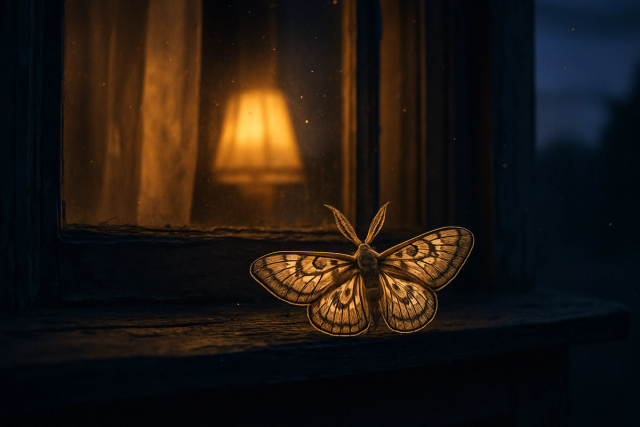
What do moths really symbolize? Explore the spiritual meaning of moths—transformation, intuition, and hidden light—across myth, dr…